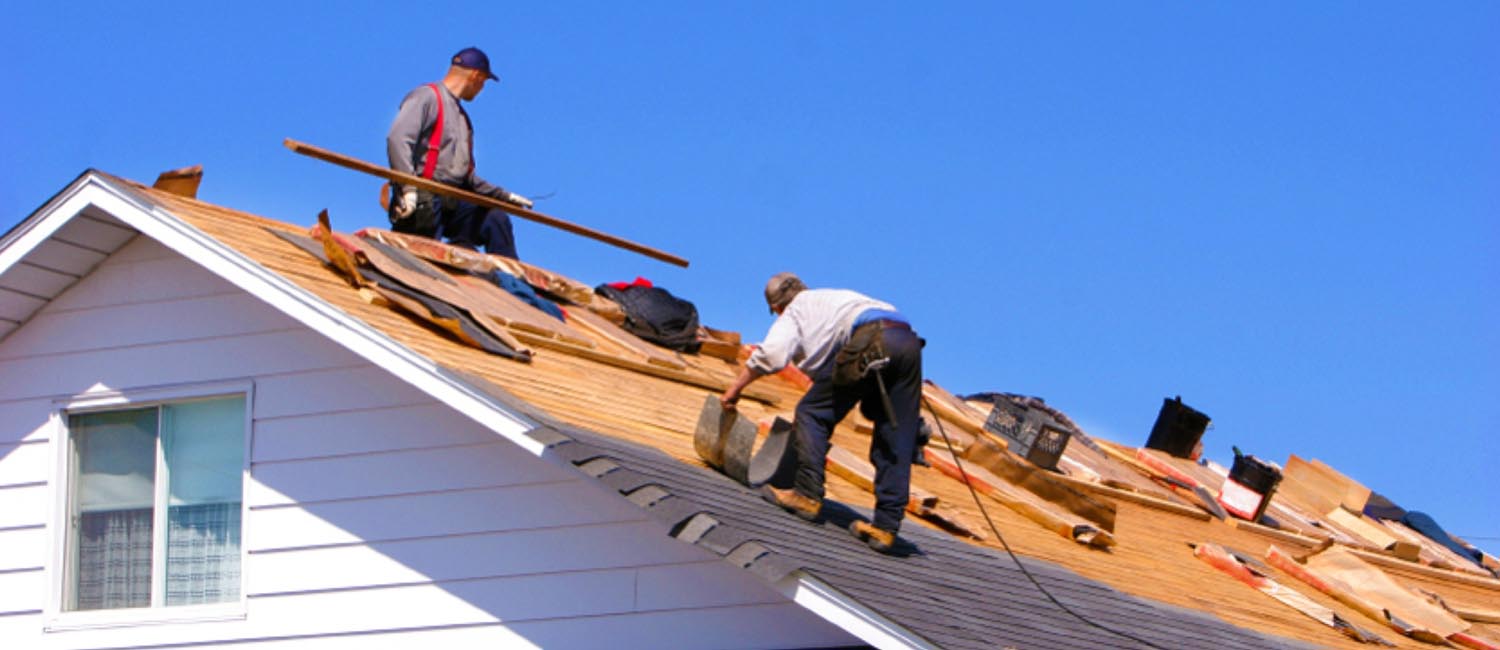
The Benefits Of Hiring A Licensed Roofing Contractor For Your Virginia Roof Replacement
Imagine a sturdy roof that offers protection from the elements, shielding you and your loved ones from rain, wind, and snow. To ensure such security, it is crucial to hire a licensed roofing contractor for your Virginia roof replacement. This article explores the numerous benefits of entrusting this task to professionals who possess expertise, experience, and compliance with building codes. With access to high-quality materials and warranties for workmanship, hiring a licensed roofing contractor guarantees peace of mind and professional results.
Expertise And Experience In Roof Replacement
The hiring of a licensed roofing contractor for a Virginia roof replacement offers the advantage of their expertise and experience in executing such projects. These professionals possess extensive knowledge of various roofing techniques and are well-versed in industry standards. They have undergone rigorous training and education to obtain their license, ensuring that they are equipped with the necessary skills to handle roof replacements effectively.
One key benefit of hiring a licensed roofing contractor is their ability to assess the condition of your roof accurately. Through years of experience, they have encountered numerous types of roofs and can identify any underlying issues that may affect the replacement process. This expertise allows them to provide accurate recommendations on the most suitable materials and techniques needed for your specific project.
Licensed contractors also follow industry standards when performing roof replacements, ensuring high-quality workmanship. They stay up-to-date with the latest advancements in roofing technology and can recommend innovative solutions that improve energy efficiency or prolong the lifespan of your new roof.
Moreover, licensed contractors understand safety protocols associated with roof replacements. They are trained to implement safety measures while working at heights, minimizing risks for both themselves and homeowners.
Hiring a licensed roofing contractor for your Virginia roof replacement guarantees access to professionals with extensive expertise and experience in executing such projects. Their knowledge of various roofing techniques, adherence to industry standards, accuracy in assessing roof conditions, commitment to safety protocols, and ability to recommend innovative solutions make them invaluable assets throughout the entire replacement process.
Safety And Compliance With Building Codes
Ensuring safety and complying with building codes are key considerations when engaging a professional in roof replacement. Hiring a licensed roofing contractor in Virginia can provide peace of mind as they possess the necessary expertise to ensure that the project meets all safety requirements and adheres to local building codes.
One benefit of hiring a licensed contractor is their knowledge and experience in conducting thorough building inspections. They are trained to identify potential hazards or structural issues that may compromise the safety of the roof replacement process. By addressing these concerns early on, they can prevent accidents or future damage to the property.
Additionally, licensed contractors are required to have proper insurance coverage, which further contributes to overall safety during roof replacement. This insurance protects both the homeowner and the contractor in case of any accidents or property damage that may occur during the project. It ensures that all parties involved are financially protected and minimizes any potential liabilities.
Moreover, compliance with building codes is crucial for any construction project, including roof replacement. Licensed contractors are well-versed in these regulations and ensure that every aspect of the job meets these standards. This not only guarantees safety but also prevents any legal consequences due to non-compliance.
Hiring a licensed roofing contractor for your Virginia roof replacement project offers numerous benefits including ensuring safety through thorough inspections and compliance with building codes. Their expertise and adherence to regulations provide homeowners with peace of mind knowing that their investment is being handled professionally and responsibly.
Access To High-Quality Materials
Access to high-quality materials is a significant advantage when engaging a professional for roof replacement, as it ensures the durability and longevity of the new roof. Licensed roofing contractors have access to a wide range of materials that are specifically designed for roofing purposes. These materials are often more durable and resistant to weather conditions, ensuring that the roof will withstand the test of time.
One benefit of hiring a licensed contractor is their knowledge and experience in selecting cost-effective options. They can recommend materials that offer long-term value by balancing quality with affordability. This not only helps homeowners save money in the long run but also ensures that the investment made in a new roof is worthwhile.
Aesthetic considerations are another aspect where licensed contractors excel. They have access to a variety of high-quality roofing materials in different styles, colors, and finishes. This allows homeowners to choose a material that complements their overall home aesthetics and enhances its curb appeal.
When considering a roof replacement project, hiring a licensed contractor provides access to high-quality materials that offer durability, longevity, cost-effectiveness, and aesthetic appeal. By utilizing their expertise, homeowners can make informed decisions about material selection while ensuring that their investment results in an aesthetically pleasing and long-lasting roof solution.
Warranties And Guarantees For Workmanship
One important consideration when engaging a professional for roof replacement is the availability of warranties and guarantees for workmanship. Hiring a licensed roofing contractor in Virginia ensures that customers have access to these essential protections. Contracts provide liability protection for both the contractor and the homeowner, as they outline the responsibilities and obligations of each party involved in the roof replacement process.
A warranty from a licensed roofing contractor gives homeowners peace of mind by guaranteeing that any defects or issues with the workmanship will be addressed and resolved. This assurance extends beyond just the materials used in the project; it includes all aspects of installation, ensuring that the roof will function adequately and withstand various weather conditions.
Moreover, warranties also highlight a contractor's commitment to customer satisfaction. By offering these guarantees, contractors demonstrate their confidence in their skills and abilities. Additionally, having an official warranty can instill trust in homeowners who may be hesitant about investing in such a significant project.
Opting for a licensed roofing contractor offers numerous benefits when it comes to warranties and guarantees for workmanship. These protections not only provide liability coverage but also ensure customer satisfaction throughout the entire roof replacement process.
Peace Of Mind And Professional Results
Achieving peace of mind and professional results is a significant advantage of engaging a qualified professional for roof replacement. When hiring a licensed roofing contractor for your Virginia roof replacement, you can be assured of customer satisfaction and high-quality workmanship. These professionals possess the necessary skills, knowledge, and experience to handle all aspects of the job efficiently.
By entrusting your roof replacement project to a licensed contractor, you can have peace of mind knowing that they will adhere to industry standards and regulations. They are well-versed in the latest techniques and technologies, ensuring that the job is done right the first time. This eliminates the need for costly repairs or rework in the future.
Furthermore, licensed roofing contractors offer cost-effective solutions for your roof replacement needs. They have access to quality materials at competitive prices due to their established relationships with suppliers. This enables them to provide you with reliable options that meet both your budgetary requirements and aesthetic preferences.
Professionalism is another key aspect that sets licensed roofing contractors apart. They prioritize open communication with clients, keeping them informed throughout every step of the process. Additionally, they strive to complete projects within agreed-upon timelines while maintaining a clean and organized worksite.
Hiring a licensed roofing contractor for your Virginia roof replacement ensures customer satisfaction and cost-effective solutions. The peace of mind provided by their expertise and professionalism guarantees professional results that meet your expectations.
Contact A Licensed Roofing Contractor In Virginia
The decision to hire a licensed roofing contractor for your Virginia roof replacement is a wise one, offering a myriad of benefits. From superior craftsmanship to compliance with local regulations and insurance coverage, the advantages are clear. Don't compromise on the safety and longevity of your roof. It's time to take action.
Contact a licensed roofing contractor such as Trusted Veterans Restoration LLC in Virginia today and secure the expertise you need for a successful roof replacement. Your home deserves the best, and a licensed professional is the key to a durable, reliable, and visually appealing roof. Get in touch now to protect your investment and enjoy lasting peace of mind.